Understanding AMS: How to Acclimatize Safely Above 3,000 m
Altitude sickness is common, predictable and mostly avoidable. Here is what AMS feels like, how to prevent it, and when the only right answer is to go down.
· 6 min read
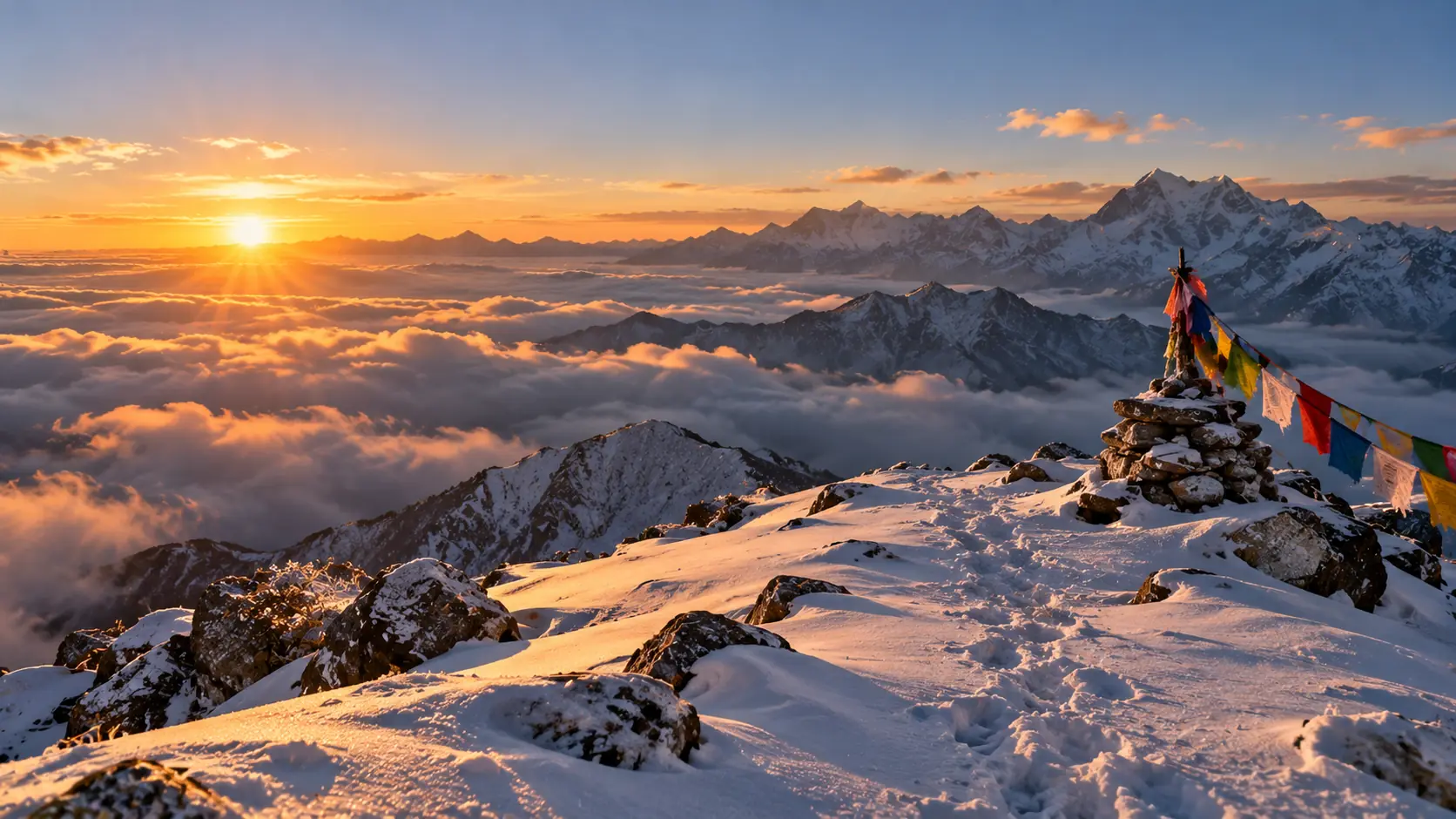
Here is a scene that plays out on high trails every season. A fit, strong trekker reaches camp at 3,800 m, laughs through dinner, and wakes at 2 a.m. with a pounding head and a stomach that wants nothing. Meanwhile, the quiet person who walked slowly all day sleeps like a log.
Altitude does not care how fit you are. It cares how fast you went up. This guide explains what is happening in your body, how to spot trouble early, and the simple habits that keep you safe above 3,000 m.
What actually happens up there
The higher you climb, the thinner the air gets. The percentage of oxygen stays the same, but each breath carries fewer oxygen molecules. Your body can adapt to this. It breathes faster, makes more red blood cells and adjusts its chemistry. But that takes days, not hours.
Acute Mountain Sickness (AMS) is what happens when you climb faster than your body can adapt. It usually starts above 2,500 to 3,000 m and is common. Many people feel at least a mild version on a high trek. Mild AMS is manageable. Ignored, it can turn into something much more serious.
The three conditions to know
- AMS (the common one): a headache, plus at least one of these: nausea or loss of appetite, dizziness, unusual tiredness, poor sleep. It feels like a bad hangover.
- HAPE (fluid in the lungs): breathlessness even at rest, a persistent cough that may bring up pink or frothy spit, tightness in the chest, and a sudden drop in energy. It is an emergency.
- HACE (swelling of the brain): confusion, odd behaviour, loss of balance, trouble walking a straight line, extreme drowsiness. It is also an emergency, and often follows AMS that was ignored.
HAPE and HACE are rare on well-planned treks, but they are the reason we take every headache seriously.
A simple self-check you can do each morning
Mountain doctors use a scoring system called the Lake Louise score. You do not need the form. Just ask yourself four questions each morning and evening: Do I have a headache? Do I feel sick or have no appetite? Am I dizzy or light-headed? Am I far more tired than the day should explain? Add a fifth: did I sleep badly because of how I felt, not because of a noisy tent?
A headache plus one or more of the others means you have AMS. Be honest. Tell your trek leader straight away. Nobody gets points for hiding symptoms, and the leader can only help with what they know.
The rules that keep you safe
- Climb high, sleep low. Walking up to a higher point in the day and coming back down to sleep is one of the best ways to help your body adjust. Good itineraries are built around this.
- Go up gradually. Above 3,000 m, the usual guideline is to raise your sleeping altitude by about 300 to 500 m a night, with an extra rest night every three to four days or so.
- Walk slowly. If you cannot talk in short sentences while walking, you are going too fast. The slowest steady pace is the best pace.
- Drink often. Aim for around three to four litres across the day, more in dry cold air. Pale yellow urine is the target.
- Skip alcohol and sleeping pills. Both can dull your breathing at night, which is when altitude hits hardest. Go easy on cigarettes too.
- Eat even when you are not hungry. Carbohydrates help. Small, frequent snacks work better than one big meal.
- Do not go up with symptoms. If you have AMS, you stay at the same altitude until you feel better. If you feel worse, you go down.
Medicines and gadgets: what helps, what misleads
Some trekkers carry acetazolamide, a prescription medicine used to help prevent and treat AMS. Whether you should take it, and how, is a decision for your own doctor, who knows your health and any allergies. Please do not borrow tablets from a friend or take a dose you read online. Pain relievers like paracetamol or ibuprofen may ease a headache, but they do not fix the cause.
Pulse oximeters, the little clips that read your oxygen saturation, are popular. They can be a useful guide, especially for spotting a sudden drop. But they are not a verdict. Readings change with cold fingers, nail polish and how you hold your hand, and a healthy person at 4,000 m can read lower than you expect. A good number does not cancel out symptoms, and a so-so number with no symptoms is not a reason to panic. Trust how you feel, and use the reading as one clue.
When to turn around
This is the part nobody likes, so let us be plain about it. Go down if you have:
- A headache that is getting worse despite rest, fluids and simple painkillers.
- Breathlessness at rest, or a cough that will not settle.
- Confusion, clumsiness, or you cannot walk in a straight line.
- Vomiting that keeps coming back.
Descending even 300 to 500 m often brings fast relief. It is not a failure. The mountain will be there next season, and you need to be as well. Your trek leader makes this call with you, and on every group trek the rule is the same: nobody climbs higher while unwell.
Choosing a trek that gives your body time
If you are new to altitude, start with a route that stays below about 4,000 m and builds height slowly. Treks like Kedarkantha or Har Ki Dun are a gentle first step. Higher passes such as Hampta Pass and Rupin Pass, and the big challenge of Roopkund at over 5,000 m, reward good preparation. Arrive rested, spend the first night at a modest height, and do not rush the early days.
Fitness helps your stamina, but it does not replace acclimatization. Some of the strongest runners get AMS, and some modest walkers sail through. Anyone with heart, lung or blood conditions, or who is pregnant, should speak to a doctor before planning a high-altitude trek.
A short note, and an honest one
This article is general information, not medical advice. Your doctor is the right person to talk to about your health, medicines and whether a particular altitude is safe for you. In the mountains, your trek leader and the local crew are your first line of care, and descent is the safest treatment there is.
Want to talk through which trek suits your experience, and how the itinerary handles acclimatization? Ask a trek leader on WhatsApp. We are happy to answer before you book.
Questions before you book?
A trek leader will answer on WhatsApp, usually the same day.
WhatsApp +91 98412 74429Treks in this story
Lakes & Glaciers
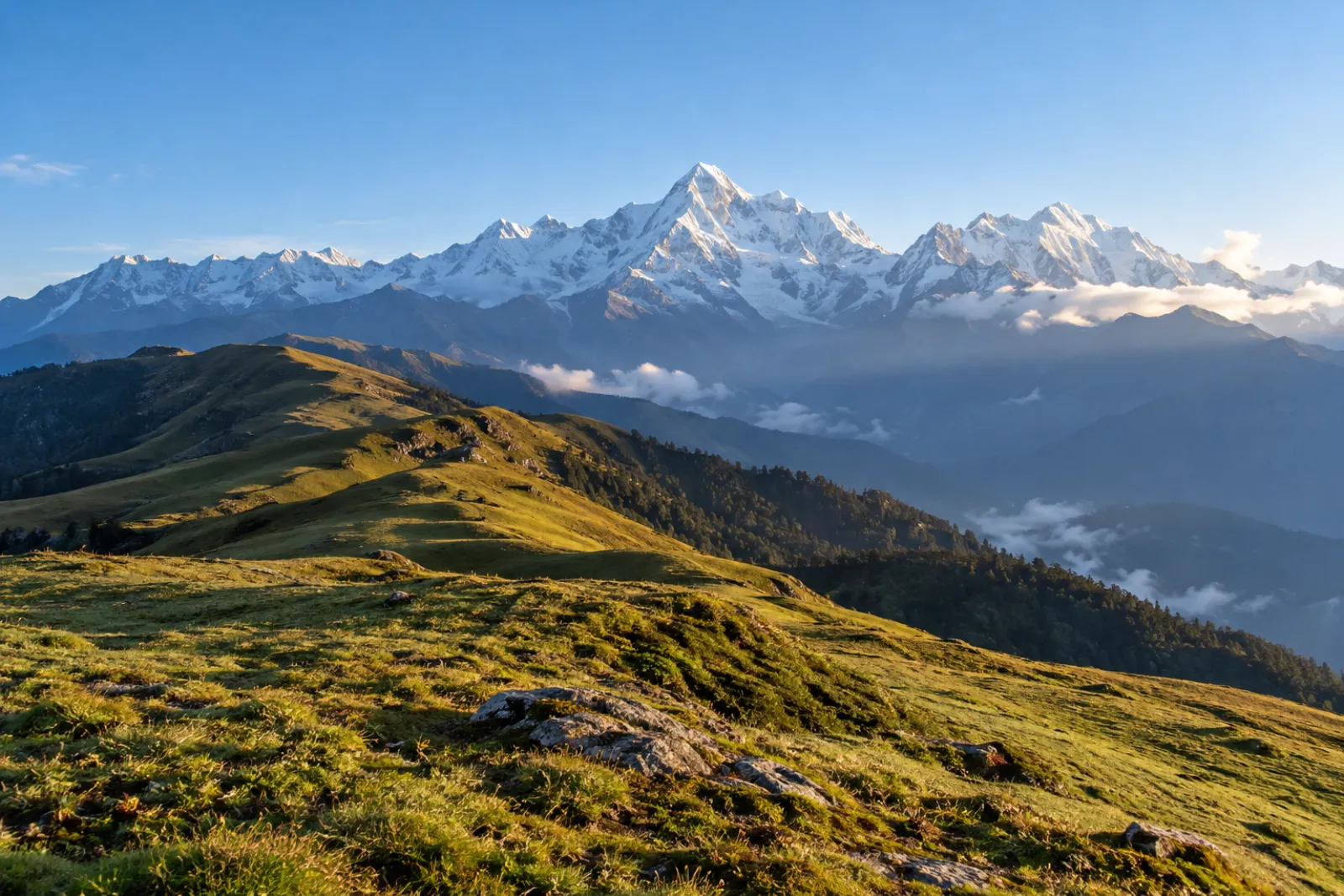
Roopkund
Uttarakhand
Bedni Bugyal, Trishul, and the mystery lake beneath Junargali.
- 9 days
- 5,029 m
- May – Jun, Sep – Oct
₹15,999 per person
Dates on request
High Pass
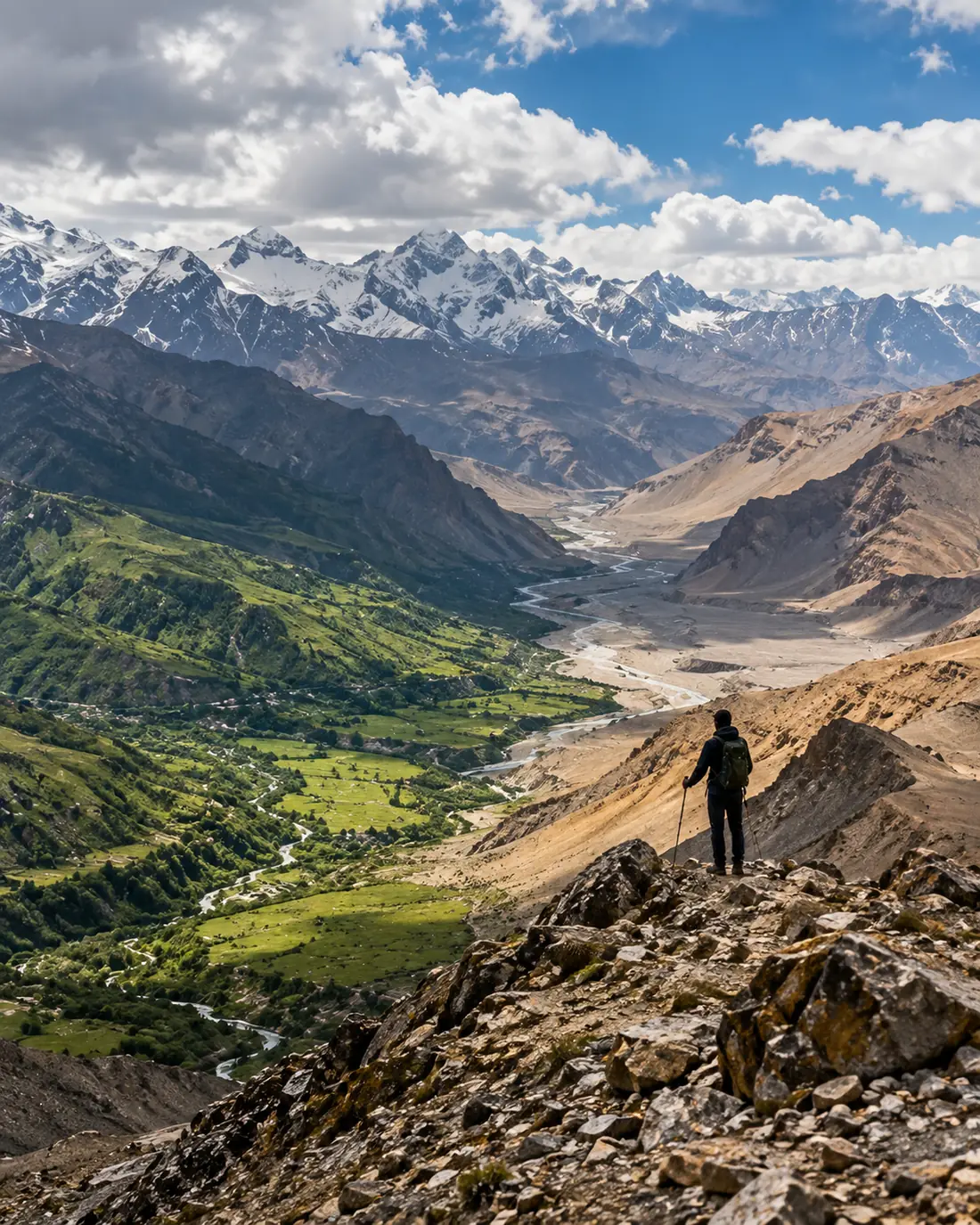
Hampta Pass
Himachal Pradesh
Cross from green Kullu into the bare, high desert of Lahaul.
- 5 days
- 4,270 m
- Jun – Sep
₹11,499 per person
Next departure 7 Jun